
Events
Keynote Presentations by Award Winning Zoologists
F.E.J. Fry Medal:
Dr. Colin Brauner
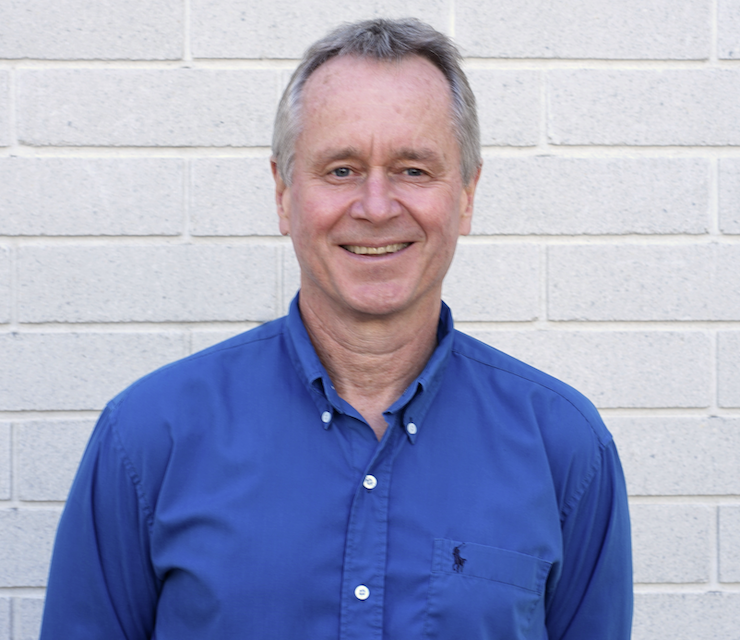
Dr. Brauner is a Professor at The University of British Columbia (UBC). He obtained his Ph D from UBC, and then conducted a PDF at the University of Aarhus and the University of Southern Denmark. He then returned to Canada as a Research Associate at McMaster University before becoming an Assistant Professor at San Diego State University, California in 2000. In 2003 he returned to UBC as an Assistant Professor where he has remained.
Dr. Brauner investigates environmental adaptations (both mechanistic and evolutionary) in relation to gas-exchange, acid-base balance and ion regulation in fish, integrating responses from the molecular, cellular and organismal level. The ultimate goal is to understand how evolutionary pressures have shaped physiological systems among vertebrates and to determine the degree to which physiological systems can adapt/acclimate to natural and anthropogenic environmental changes. This information is crucial for basic biology and understanding how fish, which represent 50% of vertebrate species, can inhabit almost every aquatic environment on the planet. Best known for his fundamental work on the physiology of fishes, the impacts of his work are far reaching, by having direct applications in understanding the early evolution of vertebrates, fish conservation, aquaculture, aquatic toxicology and fisheries management. He has supervised over 70 B.Sc. research projects, 35 M.Sc. students, 16 Ph.D. students and 26 post-doctoral fellows. Among these, 14 have gone on to become Professors in Canada and around the world, each with their own well-established research programs.
Dr. Brauner has been co-editor of the multi-volume treatise “Fish Physiology” since 2000 and has received numerous awards including an honorary doctorate from the Autonomous University of the State of Mexico (2024) for career contributions to the field of aquatic biology and aquaculture. He has conducted research and been a co-instructor for international graduate courses in comparative physiology around the globe.
I am an integrative biologist interested in the causes and consequences of thermal trait diversity in communities. My study systems include freshwater and marine protists and invertebrates, but I'm interested in uncovering processes that apply in a variety of systems. Professor Thomas W. M. Cameron's interest in the biochemistry, physiology, ecology, and epidemiology of a multitude of host-parasite systems speaks to the wonderfully diverse approaches at our disposal for understanding the natural world, and I'm honoured to be celebrating his legacy.
I completed an Honours in Marine Biology at UBC and spent gap time as a research assistant at the University of Queensland in Australia before undertaking my PhD in UBC's Department of Zoology under Mary O'Connor's mentorship. I am now a Simons Postdoctoral Fellow in Marine Microbial Ecology at Michigan State University’s Kellogg Biological Station and an affiliate of the Environmental Science, Policy, and Management Department at UC Berkeley. My current research investigates the molecular underpinnings of thermal response curve plasticity in diatoms using transcriptomics. I am also applying trait-based and omics approaches to understanding phytoplankton communities and harmful algal bloom dynamics in the San Francisco Bay estuary.
Ecological and evolutionary responses to temperature are mediated by its effects on organism growth, reproduction, and other components of fitness, all governed by metabolism. In my PhD dissertation, I drew from concepts in metabolic scaling theory and metacommunity theory to better understand how ecological communities respond to warming. To do so, I (1) reviewed underappreciated assumptions of the metabolic theory of ecology and suggested extensions to better describe systems frequently disrupted from steady state; (2) simulated temperature-dependent metacommunity dynamics to explore possible changes in community structure with warming; and (3) used mesocosm and microcosm experiments to test how temperature-dependent population growth and dispersal interact to influence diversity and productivity.
Receiving the T.W.M. Cameron Award is an honour that I owe to all my mentors and fellow zoology community members. I look forward to seeing everyone in Ottawa!
Robert G. Boutilier New Investigator Award:
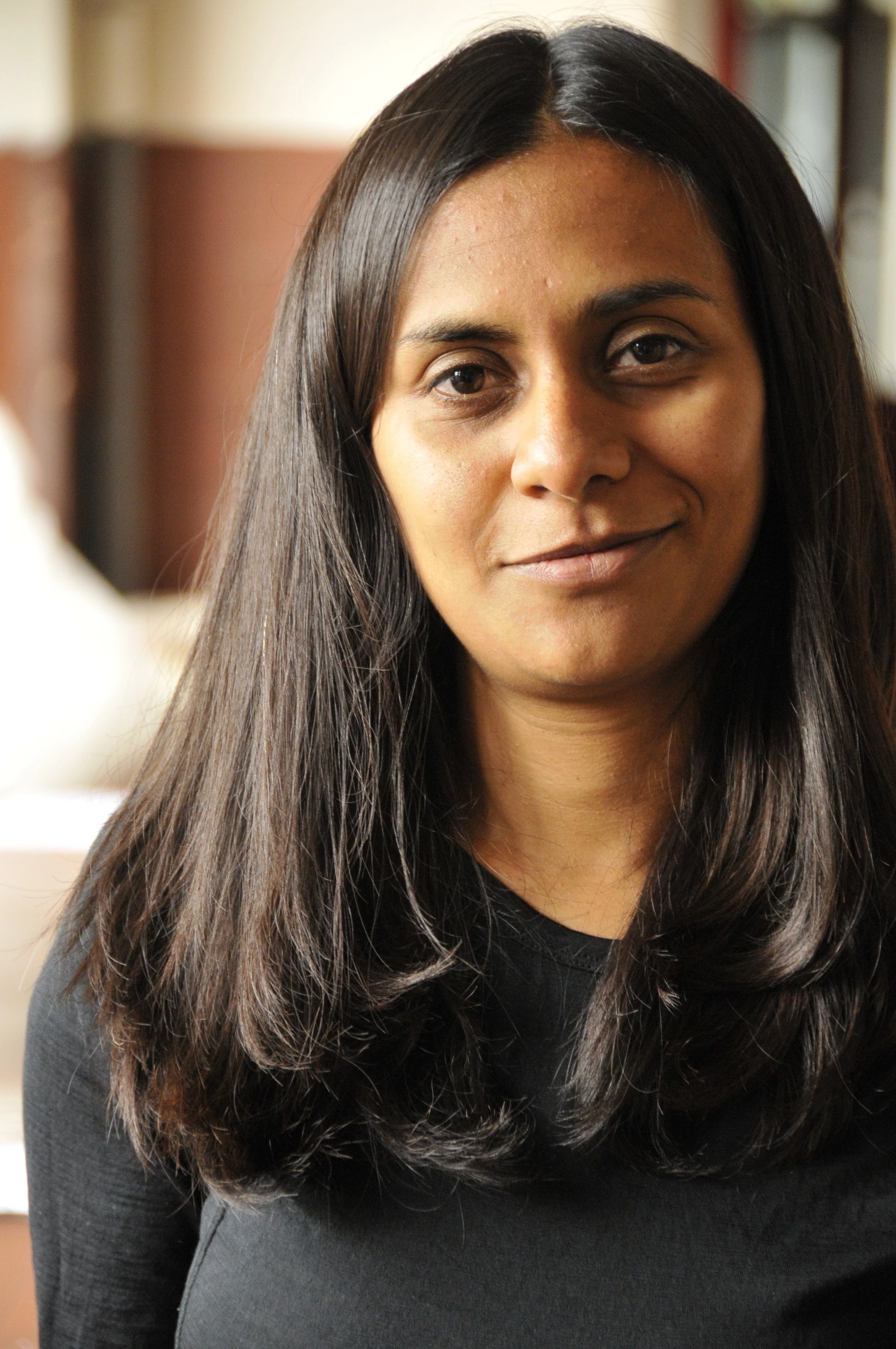
Dr. Natasha Mhatre
I’m an Associate Professor and hold a Canada Research chair at the Department of Biology, at the University of Western Ontario. I study how different animals make and perceive sounds and vibrations. I’m particularly interested in how morphology and physics shape this communication at different timescales, from the behavioral to the evolutionary. I started my scientific career in India; after an MSc in a protein biophysics lab, I did a PhD with Rohini Balakrishnan at the Centre for Ecological Sciences at the Indian Institute for Science in Bangalore. After this, I spent a while as a post-doctoral fellow with Daniel Robert, where I held a Marie Curie fellowship. I then moved to a short independent position at the College of Life Sciences, at the Wissenschaftskolleg zu Berlin in Germany. After this, I moved to Canada for a post-doctoral fellowship with Andrew Mason and Gerald Pollack at the University of Toronto at Scarborough. And then, finally, I moved to this position at Western, where I have been since. My journey has been shaped by many friends, mentors and champions that extend well beyond those I have worked with. I really appreciate the community, including the CSZ community, and that provided my students and trainees, that has kept me afloat and helped me along. This is as much their recognition as mine.
T. W. M. Cameron Outstanding Ph.D. Thesis Award:
Dr. Keila Stark
R. A. Wardle Award:
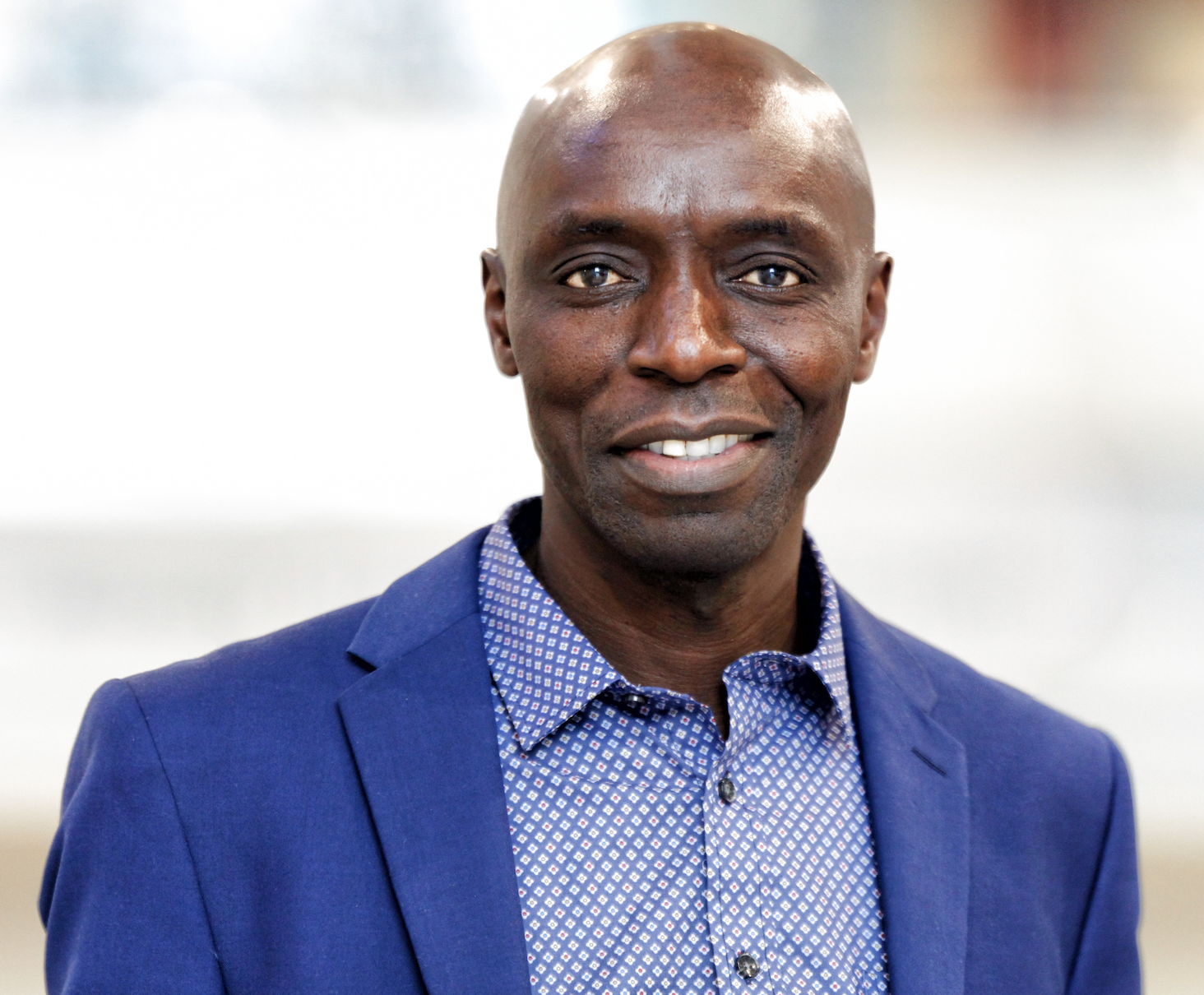
Dr. Momar Ndao
Dr. Momar Ndao completed his Veterinary Medicine in Senegal, and his MSc and Ph.D. in International Health and Tropical Diseases at the Institute of Tropical Medicine in Antwerp, Belgium, and then completed a postdoctoral fellowship at McGill University, Department of Microbiology and Immunology. He is a Professor at McGill University, Faculty of Medicine and Health Sciences, Co-Director of the McGill Interdisciplinary Initiative in Infection and Immunity (MI4) and Director of the Canadian National Reference Centre for Parasitology. He was elected 1st Vice President of the World Federation of Parasitologists and a member of the Board of the International Federation for Tropical Medicine, a member of the Board of the International Federation for Tropical Medicine, a member of the Scientific Committee of the Institut Pasteur de Dakar, a member of the Advisory Committee on Human Pathogens and Toxins Act/ Public Health Agency of Canada, member of the Travel Award Committee of the American Society of Tropical Medicine and Hygiene. He is a Principal Investigator in the Infectious Diseases and Immunity in Global Health Program at the Research Institute of the McGill University Health Centre. He is actively involved in 1) bringing cutting-edge science to diagnose infectious diseases, 2) studying host-parasite interactions, 3) screening drugs for parasitic diseases, 4) applying proteomics for biomarker discovery, and 5) developing vaccines for parasitic diseases.
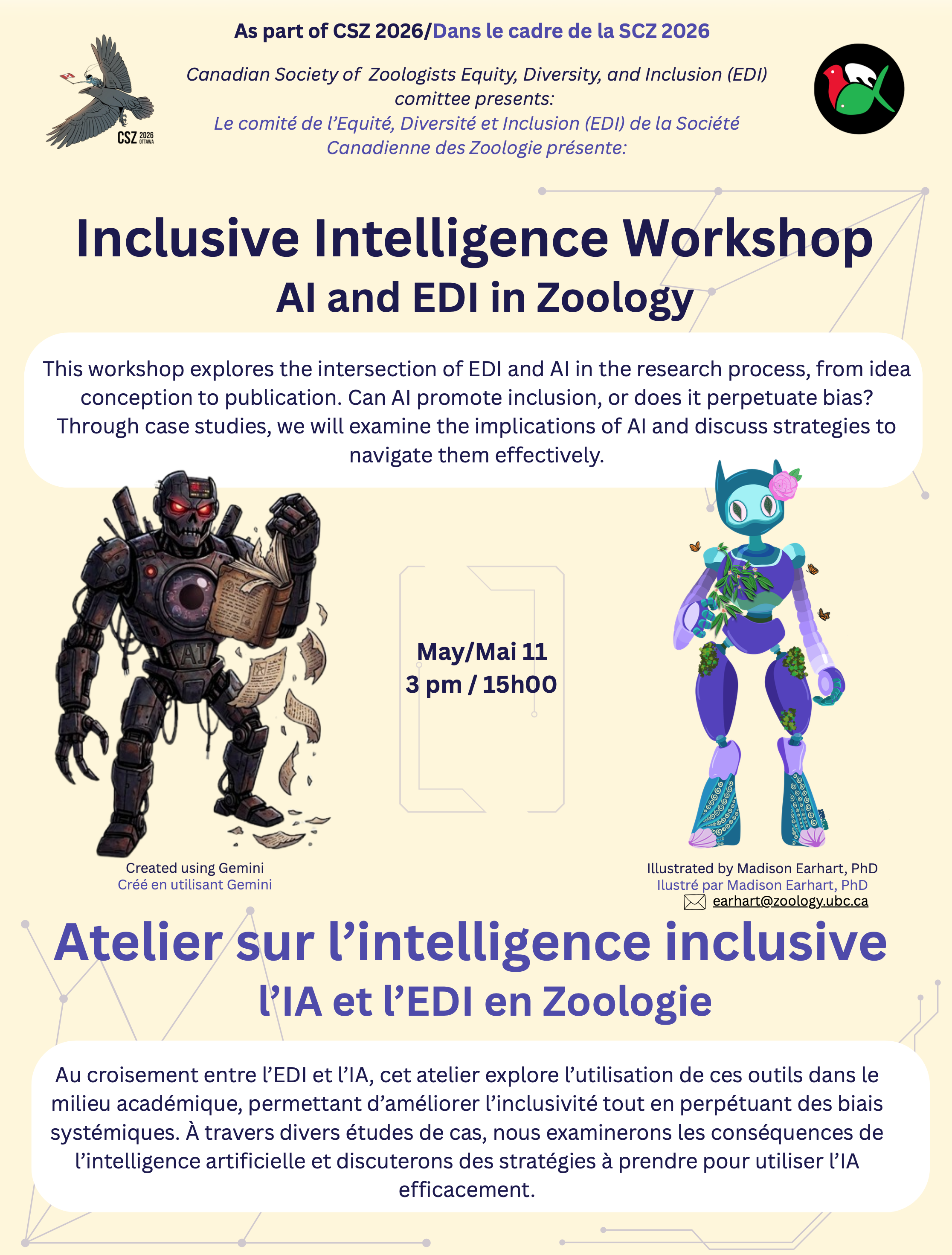
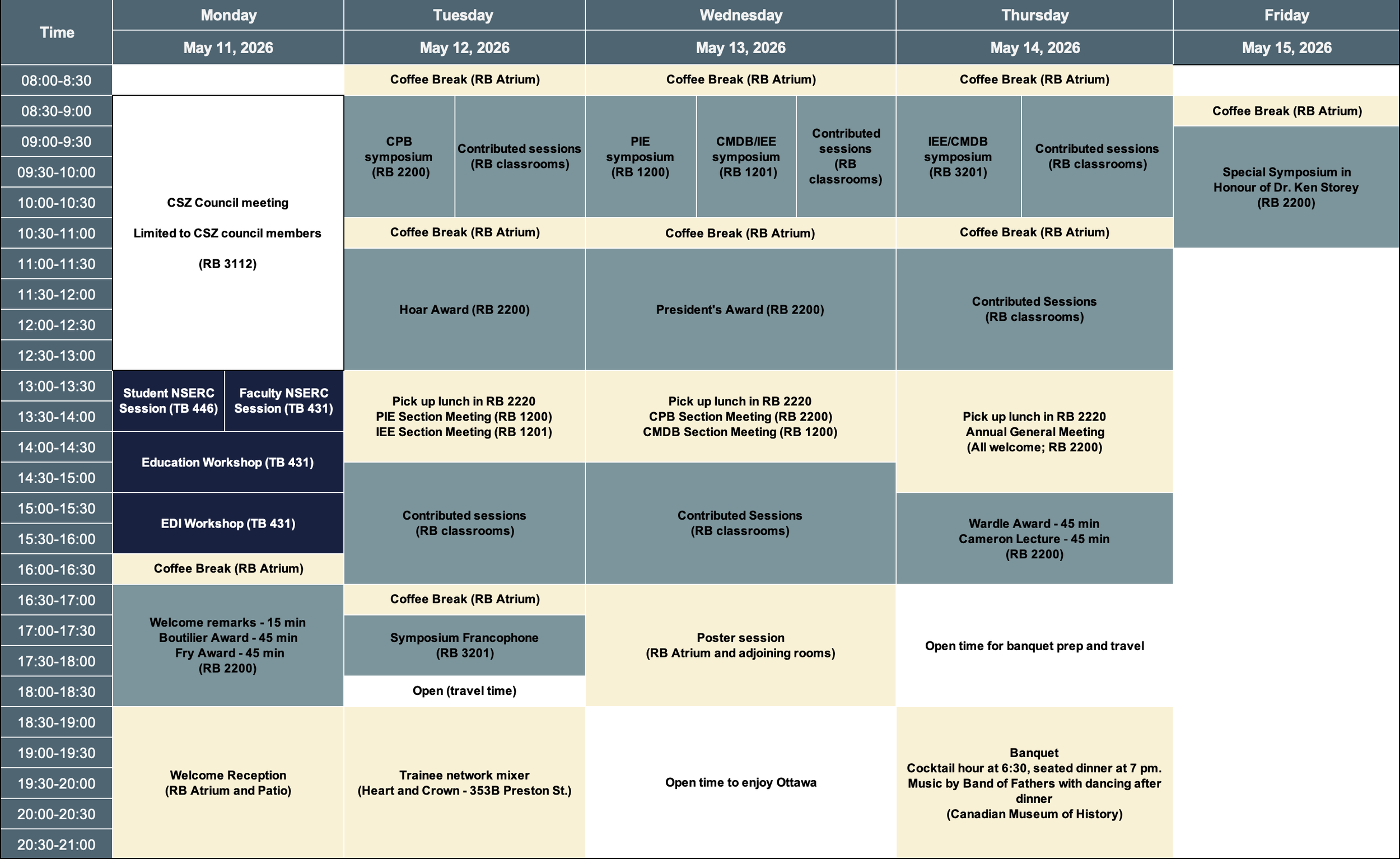
Education Workshop: Strategies and Tools for Inclusive Design
This education workshop is being hosted by Dr. Martha Mullally and Dr. Iain McKinnel from the Department of Biology at Carleton University.
Research tells us that student engagement is critical to academic success and persistence in higher education. However, engagement is only one piece of the puzzle. Students face many barriers in our classrooms and may not experience them as inclusive spaces. How can we design learning experiences and spaces that are truly inclusive? This workshop aims to answer this question. Participants will experience inclusive teaching practices, reflect on their use, and walk away from the workshop with a set of tools they can implement in their next teaching session.

Meet the Editors
Meet editors from The Journal of Experimental Biology
During the poster session, editors from The Journal of Experimental Biology will be around the JEB table. Drop by to chat with them about how you can publish your research in JEB, and learn about the many ways that JEB and The Company of Biologists support early career researchers in your field.